
Combining mosquito repellents with traps enhances mosquito control by reducing bites and capturing mosquitoes before they reach people natural mosquito repellent. Repellents should be applied to exposed skin and clothing during peak mosquito times, while traps are best positioned downwind in shaded, humid areas away from gatherings. Choosing repellents without strong airborne chemicals preserves trap attraction. Proper placement, timing, and maintenance guarantee both methods work effectively together. Additional strategies can further optimize protection and reduce mosquito populations.
How Mosquito Repellents and Traps Work Together to Reduce Mosquitoes
By combining mosquito repellents and traps, the overall effectiveness of mosquito control increases substantially.
Mosquito repellents create a protective barrier by masking human scents or emitting odors that mosquitoes avoid, reducing the chances of being bitten igreenasia. Traps, on the other hand, attract and capture mosquitoes by mimicking human cues like carbon dioxide and body heat.
When used together, repellents minimize mosquito presence near people, while traps actively reduce mosquito populations by eliminating individuals. This dual approach disrupts mosquito behavior and breeding cycles, granting outdoor freedom without constant worry.
The synergy between repellents and traps provides a balanced, proactive defense that neither method achieves alone, enhancing comfort and safety in outdoor environments. This strategy supports a lifestyle free from mosquito-borne nuisances without relying solely on chemical interventions.
Choosing the Right Repellent and Trap for Your Outdoor Space
When selecting a mosquito repellent and trap for an outdoor area, several factors must be considered to guarantee peak performance.
The size of the space influences the type and range of devices needed. For larger areas, traps with extended coverage paired with long-lasting repellents prove effective.
The environment plays a role; natural repellents may suit open gardens, while chemical-based options often work better in denser foliage.
User preference for application methods—sprays, lotions, or wearable devices—affects repellent choice.
Trap technology varies from CO2 emission to UV light attraction, each targeting different mosquito behaviors.
Selecting complementary products that address specific mosquito species and activity patterns secures freedom from bites while maintaining comfort and ease of use in the chosen outdoor setting.
Where and When to Use Repellents and Traps for Maximum Effect
Effective use of mosquito repellents and traps depends largely on selecting appropriate locations and times that align with mosquito activity patterns. Repellents are best applied to exposed skin and clothing during peak mosquito activity, typically dawn and dusk, to provide immediate personal protection.
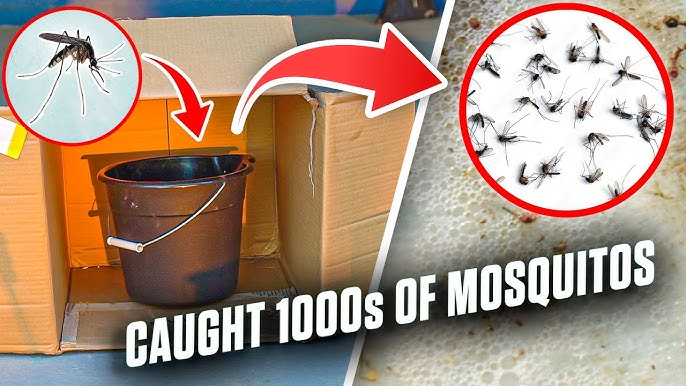
Traps should be strategically placed outdoors away from human gathering spots to lure and capture mosquitoes before they approach. Position traps in shaded, humid areas where mosquitoes rest, such as near bushes or water sources.
Combining these methods during early evening hours maximizes protection and reduces mosquito populations. By understanding mosquito behavior and timing repellent application alongside trap placement, individuals can enjoy outdoor freedom with minimal interference from mosquitoes, optimizing both personal comfort and environmental control.
Tips for Safely Combining Repellent Use With Mosquito Traps
Although mosquito repellents and traps serve complementary roles in pest control, their combined use requires careful consideration to avoid interference. To maximize effectiveness while maintaining safety, the following tips are essential:
- Position traps downwind from repellent application areas to prevent repellent odors from deterring mosquitoes from the trap.
- Use repellents on exposed skin and clothing only, avoiding direct application on or near traps.
- Select repellents with active ingredients that do not emit strong airborne chemicals that could repel mosquitoes from traps.
- Regularly maintain and clean traps to ensure peak function alongside repellent use.
Adhering to these guidelines allows freedom to enjoy outdoor spaces with minimal mosquito disturbance, balancing repellent protection and trap efficiency effectively.
Common Mistakes to Avoid When Using Repellents and Traps Together
Several common mistakes can undermine the effectiveness of using mosquito repellents and traps together. One frequent error is placing traps too close to where repellents are applied, as strong repellent chemicals can reduce trap attraction. Another is neglecting to maintain traps regularly, resulting in decreased efficiency.
Additionally, relying solely on repellents without integrating traps limits long-term control. Overusing repellents indoors near traps can disrupt their function, while ignoring environmental factors like wind can reduce both tools’ performance.
Users should avoid mixing incompatible chemical repellents and make sure traps are positioned strategically, away from treated areas. Awareness of these mistakes empowers individuals to optimize mosquito control methods, preserving personal freedom to enjoy outdoor spaces without unnecessary interference or persistent mosquito presence.
Conclusion
Combining mosquito repellents with traps offers a more thorough approach to mosquito control by both deterring bites and reducing mosquito populations. Selecting appropriate products tailored to the specific outdoor environment enhances effectiveness. Proper placement and timing maximize results while ensuring safety. Avoiding common errors, such as overlapping chemical repellents near traps, is essential for peak performance. Together, repellents and traps provide a balanced, efficient strategy to minimize mosquito presence and improve outdoor comfort.