
If you’ve ever felt sharp pain in your heel, you know how it can disrupt your day mobile podiatrist for elderly near me. Heel pain often comes from a few common foot problems, each with its own causes and symptoms. Understanding what’s behind that discomfort can help you find relief and prevent further issues. But which condition is most likely causing your pain, and how can you tell?
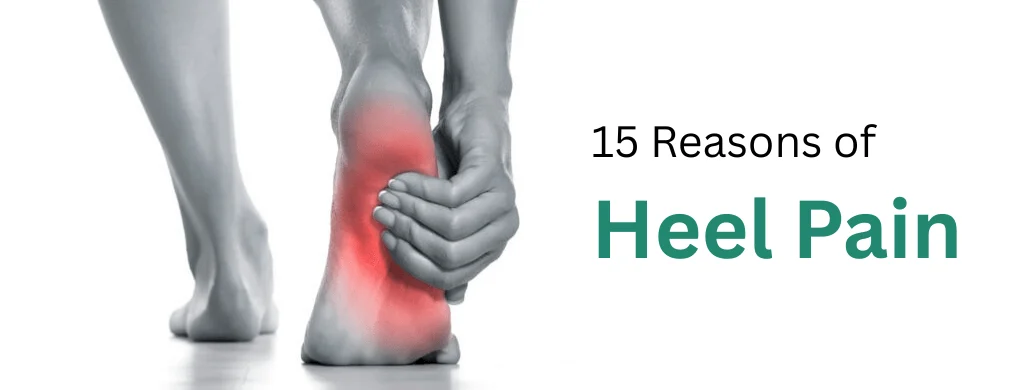
Common Foot Problems That Cause Heel Pain
Understanding common foot problems that cause heel pain can help you identify and address the issue early. You might experience pain from heel spurs, which are bony growths that develop from repetitive stress.
Achilles tendinitis is another culprit, causing inflammation where your Achilles tendon connects to your heel. You could also be dealing with bursitis People Podiatry, where fluid-filled sacs become irritated.
Sometimes, nerve compression like tarsal tunnel syndrome leads to sharp heel pain. Each condition limits your freedom to move comfortably, but knowing the cause lets you take control.
How Plantar Fasciitis Leads to Heel Discomfort
Plantar fasciitis strikes when the thick band of tissue connecting your heel to your toes becomes inflamed or strained.
This condition limits your freedom to move comfortably and enjoy daily activities without pain. When the plantar fascia is stressed, tiny tears develop, causing sharp heel pain, especially after rest or intense activity.
You might notice:
- Pain during your first steps in the morning or after sitting.
- Discomfort that worsens after standing or walking for long periods.
- Tenderness and swelling around the heel area.
Understanding how plantar fasciitis affects you helps you take control of your foot health. By addressing it early, you can regain your freedom to walk, run, and live pain-free.
Signs and Causes of Achilles Tendonitis Heel Pain
Although Achilles tendonitis often develops gradually, you’ll likely notice persistent pain and stiffness at the back of your heel that worsens with activity. This discomfort can make it tough to move freely, especially during running or climbing stairs.
You might feel tenderness or swelling along the tendon, and sometimes a thickened area where the tendon connects to your heel bone. The causes often stem from repetitive stress—like increasing your workout intensity too quickly, wearing unsupportive shoes, or tight calf muscles that strain the tendon.
Ignoring these signs can lead to further damage, limiting your mobility. Listening to your body and addressing these symptoms early helps you maintain the freedom to move and enjoy your active lifestyle without constant heel pain holding you back.
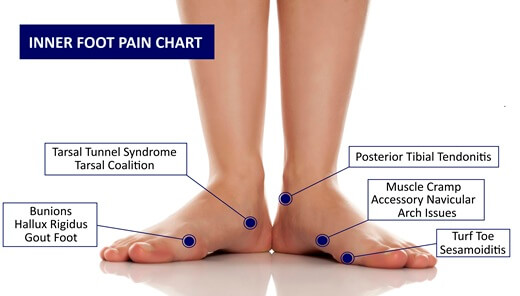
What Heel Spurs Are and How They Affect Your Feet
If you’ve been dealing with Achilles tendon pain, you might wonder what other issues could be causing discomfort in your heel. Heel spurs are one common culprit. These are bony growths that form on the underside of your heel bone, often where the plantar fascia attaches. While not always painful, they can cause sharp or stabbing sensations, especially when you first step down in the morning.
Here’s how heel spurs might affect your feet:
- They can create localized inflammation, leading to tenderness.
- They might alter your walking pattern, causing strain elsewhere.
- They often develop alongside plantar fasciitis, compounding discomfort.
Understanding heel spurs helps you take control and find relief, so you can move freely without limits.
When Bursitis Causes Heel Pain and How to Treat It
When you experience heel pain that feels swollen or tender around the back or side of your heel, bursitis might be to blame. Bursitis occurs when the bursa—a small fluid-filled sac that cushions your heel’s bones, tendons, and muscles—becomes inflamed. This inflammation can limit your movement and make walking painful, holding you back from the freedom you want.
To treat bursitis, start by resting your foot and applying ice to reduce swelling. Wearing supportive shoes with cushioning can ease pressure on the bursa. Over-the-counter anti-inflammatory medications help control pain and inflammation, too. If pain persists, seeing a healthcare professional is key—they might recommend physical therapy or other interventions. Taking these steps lets you regain your mobility and get back to moving freely.
Conclusion
If you’re dealing with heel pain, understanding the cause is key to finding relief. Whether it’s plantar fasciitis, heel spurs, Achilles tendinitis, or bursitis, each condition needs a different approach. Don’t ignore sharp or persistent discomfort—early treatment can prevent worsening symptoms. Stretch, rest, and seek professional advice to get back on your feet comfortably. Taking action now helps you avoid long-term pain and keeps you moving pain-free.